Seattle Airport Quiet Room: Location, Hours & Tips 2026
The Seattle airport quiet room is a free, airside sensory space at SEA open to all ticketed passengers. Find its location, hours, amenities, and wayfinding tips here.
Book SEA airport parking — pick your dates
Pick your dates to search
Quick Answer
Seattle Airport's quiet room is a free, sensory-relief space located airside (post-security) near Concourse C in the main terminal. Open to all ticketed passengers with no reservation or diagnosis required, it's first-come, first-served during standard terminal hours. Check airport wayfinding kiosks or flysea.org for current location, as Concourse C expansion may affect signage.
The Seattle airport quiet room is a designated sensory-relief space inside Seattle-Tacoma International Airport (SEA) designed for travelers who need a calm, low-stimulation environment during their journey. It is free to use, located airside (post-security), and open to any passenger — no diagnosis or special pass required. For travelers with autism, anxiety, sensory processing disorders, or anyone overwhelmed by the noise and crowds of a busy airport, it offers a genuine refuge before or between flights.

- Location: Airside (post-security), in the main terminal area near Concourse C — check the airport's digital wayfinding map or ask at any information desk for the most current location.
- Cost: Free for all ticketed passengers.
- Access: No reservation needed — first-come, first-served.
- Who can use it: Any traveler — no diagnosis or documentation required.
- Hours: Typically available during standard terminal operating hours; confirm with airport staff for overnight access.
- 2026 note: The $260M Concourse C expansion (targeting Q2 2026 completion) may affect nearby signage and wayfinding — allow extra time to locate the room during construction.
Back to the Complete SEA Airport Parking Guide
Where Is the Quiet Room at Seattle Airport (SEA)?
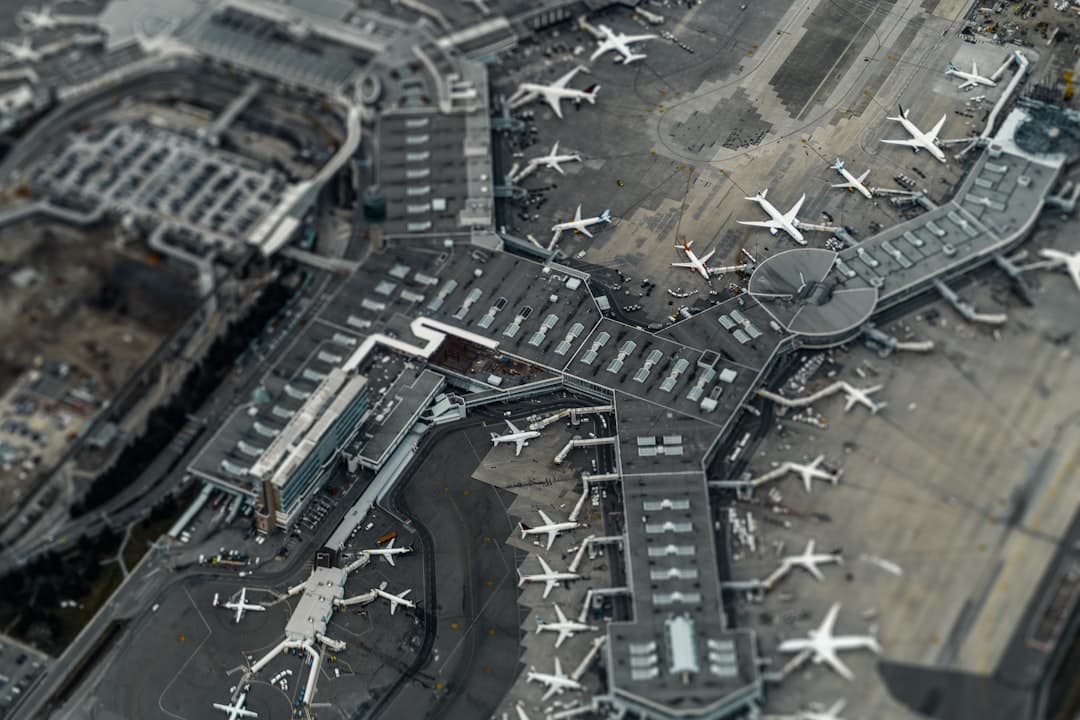
SEA's quiet room is located airside — past the security checkpoints — in the main terminal building. Based on information from the Port of Seattle, the space is situated in the central terminal zone, most accessible to passengers using Concourses B, C, and D. The room is signposted with accessibility and sensory room icons, though signage may shift during the ongoing Concourse C expansion.
Because it is post-security, only ticketed passengers can access the quiet room. If you are picking someone up or dropping them off, the quiet room is not available to you landside. International travelers arriving via the South Satellite (S Gates) should note the room is in the main terminal — plan for a walk through the underground connector after clearing customs.
The most reliable way to confirm the current exact location is to:
- Use the SEA airport digital wayfinding kiosks located throughout the terminal.
- Ask at any Port of Seattle information desk near the security exit lanes.
- Check the flysea.org accessibility page before your trip for updated maps.
Construction zones from the SEA Gateway Project — roadway and terminal frontage improvements targeting 2026 completion — may cause temporary changes to interior routes. Give yourself an extra 10 minutes when navigating on your first visit.
If you are driving to SEA, lock in affordable parking before you arrive. Compare SEA off-site parking lots from $12.95/day on Triply — all include free 24/7 shuttles directly to the terminal.
Who Can Use the Seattle Airport Quiet Room?
The quiet room at SEA is open to any ticketed passenger — there are no eligibility requirements, no documentation needed, and no fee. The Port of Seattle designed the space as part of its broader accessibility and inclusivity program.
Travelers who most benefit from the space include:
- Passengers on the autism spectrum who experience sensory overload in busy terminals.
- Travelers with anxiety disorders or panic disorder triggered by crowds and noise.
- Children with sensory processing difficulties — including those traveling with families.
- Passengers with PTSD or post-surgical sensitivity who need a low-stimulation environment.
- Anyone experiencing travel fatigue, a migraine, or simply needing a few quiet minutes away from terminal noise.
Companions and caregivers traveling with a passenger who needs the space are also welcome inside. SEA's approach is non-judgmental and self-directed — you do not need to explain yourself to airport staff to use the room. However, during peak periods (summer travel, holiday weekends, or major events like the 2026 FIFA World Cup matches in Seattle), the room may be in high demand. If it is occupied when you arrive, check back in 15-20 minutes or ask an information desk about other calm spots in the terminal.
What Amenities Does the SEA Quiet Room Offer?
The Seattle airport quiet room is designed to reduce sensory input. Based on reporting from accessibility advocates and traveler accounts, the space typically includes:
- Dimmed or adjustable lighting — softer than standard terminal fluorescents.
- Low noise levels — the room is insulated from terminal announcements and crowd noise.
- Comfortable seating — chairs designed for both adults and children, including floor-level options at some airports of this type.
- Minimal visual clutter — calm color palette, no advertising screens.
- No PA system announcements inside the room itself.
SEA is one of fewer than 30% of major U.S. airports that offer a dedicated quiet or sensory room (based on accessibility advocacy surveys), making it a meaningful differentiator for travelers with sensory needs. The room is not a nap room, a meditation studio, or a premium lounge add-on — it is a free, functional accessibility space.
Capacity is limited. The room is designed for a small number of people at once — typically around 4-8 individuals — so it functions as a first-come, first-served space. There is no time limit posted, but airport etiquette suggests keeping visits to 30-45 minutes when others are waiting.
Families traveling with children who have sensory needs may also want to note that SEA has Mamava lactation pods in several terminal locations, which can serve as an additional private, quiet space for nursing parents. Use the Mamava app for nursing parents to locate the nearest pod before your flight.
What Are the Hours of Operation for the Seattle Airport Quiet Room?
The quiet room at SEA is generally accessible during standard terminal operating hours, which align with the airport's daily flight schedule. SEA operates as a 24-hour airport, but quiet room staffing and access can vary outside of peak hours.
No confirmed published hours are currently listed on the Port of Seattle's official website for the quiet room specifically. Travelers who need to use the space during early morning departures (before 5:00 AM) or late-night arrivals should:
- Call the SEA airport information line in advance to confirm overnight access.
- Ask at a terminal information desk upon arrival — staff can direct you and confirm current hours.
- Plan to arrive with enough time to locate the room before your boarding window.
During peak travel periods — summer weekends, Thanksgiving, December holidays, and 2026 FIFA World Cup travel days — the terminal will be significantly busier than normal. The quiet room is not typically closed during busy periods, but demand will be higher. Arriving at the airport at least 2.5 hours before departure gives you time to clear security and use the quiet room without rushing.
How Do You Get to the Quiet Room from SEA Parking or the Drop-Off Zone?
Getting from the parking garage or drop-off to the quiet room takes most travelers 15-25 minutes once they account for the walk, security, and terminal navigation. Here is a step-by-step path:
- Park or arrive at the terminal. The main SEA parking garage (~13,000 spaces) connects to the terminal via skybridge between Concourses B and C. Off-site shuttle lots drop off at the 3rd floor of the parking garage (Courtesy Vehicle area).
- Walk to the main terminal. Follow skybridge signs toward the central terminal. The walk from the garage to security takes about 5-8 minutes.
- Clear security. The TSA checkpoints at SEA serve all concourses. Review TSA security screening guidelines before your trip to avoid delays. If you have TSA PreCheck, use the dedicated lane — it is significantly faster during busy periods.
- Navigate to the quiet room. Once airside, follow accessibility wayfinding signs or ask a Port of Seattle staff member. The room is in the central terminal zone near Concourse C.
If you are arriving via Link Light Rail (the 1 Line runs directly to SEA from downtown Seattle in about 38 minutes for $3.00), you enter the terminal on the arrivals level and take elevators to the main terminal floor before proceeding to security.
Travelers using off-site parking lots should plan ahead. You can review SeaTac airport parking with shuttle service to find lots that get you to the terminal fastest — Doug Fox Airport Parking, just 3 minutes from SEA, has the shortest shuttle ride of any off-site lot.
Note: During the SEA Gateway Project roadway improvements (targeting 2026 completion), drop-off and garage access points may shift. Check signage on arrival and allow a few extra minutes.
How Does SEA's Quiet Room Compare to Other Pacific Northwest Airport Sensory Spaces?
SEA is ahead of most regional airports in offering a dedicated quiet room. Here is how it stacks up against nearby Pacific Northwest airports:
- Seattle-Tacoma International (SEA): Dedicated quiet room, airside, free, open to all passengers. One of the more accessible options in the region.
- Portland International Airport (PDX): PDX has a sensory room as part of its broader accessibility program, added during recent terminal renovations. Confirmed available post-security.
- Vancouver International Airport (YVR): YVR, as a Canadian airport, operates under different accessibility frameworks. Sensory-friendly spaces exist but are more informally designated compared to SEA's dedicated room.
- Spokane International Airport (GEG): Smaller airport with limited dedicated sensory spaces — travelers typically rely on quieter gate areas.
- Seattle Boeing Field (BFI): Charter and general aviation only — no passenger terminal quiet room.
For frequent travelers with sensory needs, SEA's dedicated space is a meaningful advantage for the Pacific Northwest. PDX is the closest peer, while smaller regional airports generally lag behind. If you are connecting through SEA on a longer itinerary, the quiet room can make a multi-hour layover significantly more manageable. See our guide on what to do at Seattle airport during a long layover for more ways to use your time productively before your next flight.
Tips for Travelers with Sensory Needs at Seattle-Tacoma International Airport
Beyond the quiet room itself, SEA has several features that help travelers with sensory needs move through the airport more comfortably. Planning ahead makes a significant difference.
Before You Arrive
- Book parking in advance. Arriving at a chaotic, full lot adds unnecessary stress. Reserve SEA parking on Triply starting from $12.95/day — off-site lots with free shuttles are calmer than the on-airport garage during peak times.
- Enroll in TSA PreCheck if you haven't already. Shorter security lines mean less wait time in high-stimulation environments.
- Download the SEA airport app or check flysea.org for an interactive terminal map so you know exactly where you are going before you arrive.
- Request airport assistance. The Port of Seattle offers passenger assistance services — request help at check-in or through your airline in advance.
Inside the Terminal
- Use noise-canceling headphones while moving through the terminal between the parking garage and the quiet room.
- Identify quieter gate areas. Concourse A (Delta and international partners) and the North Satellite tend to be less crowded than Concourse B during off-peak hours.
- Eat before peak meal times. Terminal restaurants are loudest between 11:00 AM and 1:00 PM and again between 5:00 PM and 7:00 PM. Eating at 10:00 AM or 4:00 PM is noticeably calmer.
- Allow extra time. Rushing through a sensory-heavy environment worsens overload. Budget at least 30 minutes more than you think you need, especially during 2026 construction activity.
Parking Tips for Stress-Free Arrivals
- Off-site lots with shorter shuttle rides reduce overall transit time. Doug Fox Airport Parking (just 3 minutes from SEA, $14.95/day) is the closest lot and gets you to the terminal fast.
- The SEA on-airport garage costs $32/day and connects directly via skybridge — no shuttle transfer required — which may suit travelers who want the simplest path to the terminal.
- For a full breakdown of what each option costs, see our guide to Seattle airport parking rates for 2026.
Compare SEA parking rates — see every off-airport lot near Seattle-Tacoma International Airport, with free cancellation and a space confirmed before you drive.
Frequently Asked Questions
Looking for the complete guide?
Seattle Airport Parking: Complete Guide for 2026More SEA Parking Guides
Seattle Airport Parking Sold Out: What to Do in 2026
SeaTac Airport Parking Ticket: 2026 Complete Guide
SeaTac Airport Parking Lot Biggest: Size, Rates & Tips 2026
SeaTac Parking: From $9/day Off-Site vs $37+ On-Airport
Seattle Airport Parking 1 Week: 2026 Rates & Best Deals
Seattle Airport Parking for 2 Weeks: 2026 Rates & Best Deals
Ready to book your SEA airport parking? Find Parking Now