YUL US Preclearance: Complete 2026 Traveler Guide
YUL US preclearance lets you clear US customs in Montreal before you board. Learn how it works, what documents you need, and how to plan your parking.
Book YUL airport parking — pick your dates
Pick your dates to search
US preclearance at YUL is a process where US Customs and Border Protection (CBP) officers clear travelers bound for the United States before they board their flight at Montréal-Pierre Elliott Trudeau International Airport. This means you clear US customs and immigration in Montreal — not after you land. YUL US preclearance lets you arrive at US airports as a domestic passenger, skipping long immigration lines on the other end. Most carriers flying US routes from YUL use this facility, and planning your arrival time around it is essential. Back to Montreal Trudeau Airport Terminal Guide 2026
- Clear US customs in Montreal: You land in the US as a domestic passenger — no immigration queues on arrival.
- Add 30-60 extra minutes: CBP processing adds to your pre-flight time; plan ahead, especially during peak periods.
- NEXUS holders get dedicated lanes: A NEXUS card can cut preclearance wait times significantly.
- Documents required: Valid passport (or NEXUS card), travel authorization (ESTA or US visa), and your boarding pass.
- YUL has one terminal: The preclearance area is inside the main terminal building, past CATSA security.
- Parking starts from C$12.55/day: Off-site lots on Triply can save you significant money versus on-airport rates, giving you budget to arrive earlier without stress.
What Is US Preclearance at Montréal Airport (YUL) and How Does It Work?
YUL US preclearance is a CBP-operated facility inside the Montreal Trudeau terminal where US-bound passengers complete US customs and immigration before boarding. Once cleared, you board your flight and land in the US through a domestic arrival gate. You skip the standard immigration hall entirely.
Canada has hosted US preclearance facilities since 1952, making it one of the longest-running programs of its kind. Montreal's facility operates under the Preclearance Act, 2016 — Canadian federal legislation that governs how CBP officers can operate on Canadian soil. A companion agreement, the Land, Rail, Marine and Air (LRMA) Preclearance Agreement, sets out the rules for both governments. Together, these two legal frameworks define what CBP officers can and cannot do at YUL.
Canada currently has eight preclearance airports, including YUL, Toronto Pearson (YYZ), and Vancouver International (YVR). Each operates under the same federal framework, but the physical layout and volume differ. YUL handles millions of US-bound passengers each year, and the preclearance hall is a dedicated space within the terminal's departure area, staffed by both Canadian Airport Security Authority (CATSA) and US CBP officers.
The process works in sequence: CATSA screening first, then the CBP preclearance booths. You present your documents, answer questions from a CBP officer, and either proceed to your gate or are directed to secondary inspection. CBP officers at YUL have the authority to search your luggage and electronic devices, consistent with US customs law as applied under Canadian legislation.
Where Is the US Preclearance Area Located at YUL?
The preclearance facility sits inside YUL's single terminal building, past the main CATSA security checkpoint. You must clear CATSA first — that means removing shoes, laptops, and liquids as you would for any flight — then proceed to the CBP preclearance hall.
YUL operates as one building divided into departure zones. US-bound gates are grouped in a dedicated US transborder section of the terminal, accessible only after completing preclearance. Once you pass through CBP, you are in a sterile US-side zone. You cannot easily return to the Canadian airside without going through the process again.
Key layout points to know:
- CATSA security comes first — budget time for this queue separately from preclearance.
- The CBP preclearance hall has multiple officer booths, with dedicated lanes typically available for NEXUS cardholders.
- After CBP clearance, follow signs to your specific US departure gate within the transborder section.
- Shops and food options in the US-side departure zone are more limited than the main Canadian airside.
For a full picture of the terminal layout — including lounge locations and departure-level pickup points — the Montreal Trudeau Airport Terminal Guide 2026 covers every section in detail.
How Early Should You Arrive at YUL for US Preclearance?
For US-bound flights from YUL, most travel advisors recommend arriving at the airport at least 3 hours before departure. This is more than the standard 2-hour window for international flights. The extra hour accounts for two sequential queues: CATSA screening and CBP preclearance.
Wait times at the CBP preclearance hall vary significantly by time of day and season. Based on traveler reports and general patterns at Canadian preclearance airports, early-morning departures (before 8 AM) tend to move faster. Mid-morning and early afternoon — roughly 9 AM to 2 PM — often see the longest queues during summer and school holidays. Peak travel periods like spring break, July, and the December holidays add extra pressure. Time Out Montreal issued explicit travel warnings for March break 2026, urging travelers to arrive well ahead of their usual buffer.
A practical arrival timeline for a US-bound YUL departure:
- Arrive at the airport: 3 hours before departure.
- Check baggage and get boarding pass: 20-30 minutes.
- CATSA security queue: 15-40 minutes depending on volume.
- CBP preclearance queue and processing: 20-60 minutes.
- Walk to US gate and board: 10-15 minutes.
If you hold a NEXUS card, preclearance typically takes 5-15 minutes. That alone can compress your airport time by 30-45 minutes on a busy day.
What Documents Do You Need for YUL US Preclearance?
Every traveler needs specific documents ready before approaching a CBP officer. Having them out and organized speeds up the process for everyone in line.
Required documents at YUL US preclearance include:
- Valid passport (or NEXUS card for eligible travelers)
- US visa or approved ESTA authorization (for visitors who are not US citizens or permanent residents)
- Boarding pass for your US-bound flight
- Customs declaration form — paper forms are available, but many travelers complete this digitally via the Mobile Passport Control app (see below)
- Green card or other permanent residency document, if applicable
Canadian citizens do not need an ESTA, but they do need a valid passport for US entry. Dual citizens should carry both passports if relevant. Children traveling with one parent may be asked for additional documentation — a notarized letter from the absent parent is strongly recommended. Review CATSA security screening rules before you pack, since items flagged at CATSA can delay your entry into the preclearance hall.
CBP officers at YUL preclearance may also ask about:
- Purpose and length of your US visit
- Where you plan to stay
- Whether you are bringing goods worth more than US$800 into the US
- Whether you are carrying food, plants, or agricultural products
How Can NEXUS or Mobile Passport Control Speed Up Your YUL Preclearance?
Two tools can meaningfully cut your wait at YUL US preclearance: a NEXUS card and the Mobile Passport Control (MPC) app.
NEXUS at YUL
NEXUS is a joint CBP and Canada Border Services Agency (CBSA) trusted-traveler program. Approved members get access to dedicated lanes at preclearance facilities, including YUL. Instead of waiting in the general queue, NEXUS holders process through a separate, much shorter lane. The program costs around C$50 (verified 2026) and requires a background check and interview. For frequent US travelers, the time savings pay back the fee quickly. As of 2026, NEXUS cards also function as identity documents for air travel within Canada and for US preclearance, so you do not need to present a passport separately.
Mobile Passport Control at YUL
Mobile Passport Control (MPC) is a free US CBP app that lets eligible travelers complete their customs declaration digitally before reaching the booth. You answer the standard customs questions, take a selfie, and receive a QR code. Show the QR code to the CBP officer instead of a paper form. This does not create a separate lane at YUL preclearance, but it speeds up the officer interaction itself — typically by 2-4 minutes per traveler, which adds up when queues are long.
To use MPC at YUL:
- Download the official CBP Mobile Passport Control app before your trip.
- Create a profile with your passport details.
- Complete the declaration within 4 hours of your scheduled departure.
- Present the app's QR code to the CBP officer at the preclearance booth.
MPC is available to US citizens and lawful permanent residents. Visitors using ESTA or a US visa generally cannot use MPC and must use paper declaration forms or Global Entry kiosks where available.
What Happens If You Are Denied or Withdraw from YUL Preclearance?
Under the Preclearance Act, 2016, travelers at a Canadian preclearance facility have the right to withdraw from the preclearance process at any time before CBP completes the examination. This is a legal right specific to Canadian soil — once you are physically in the US, this right no longer exists.
Practically, withdrawing means you inform the CBP officer that you no longer wish to proceed with preclearance. You are then returned to the Canadian airside. You will not board your US-bound flight, and you may need to rebook. CBP officers may note your withdrawal, and you could face additional scrutiny at a future crossing, though withdrawal itself is not a legal offence under Canadian law.
Being denied entry at preclearance is different from withdrawing. If a CBP officer determines you are inadmissible to the US, they refuse your preclearance. You are returned to the Canadian side. This does not mean you are under arrest in Canada, but it does mean you cannot board your US flight. Common reasons for denial include:
- Prior criminal convictions that make you inadmissible under US immigration law
- Overstaying a previous US visa
- Incomplete or suspicious documentation
- Undisclosed goods or currency above the declaration threshold
- Information flagged in CBP databases
If you are directed to secondary inspection — a separate room with additional CBP officers — that is not a denial. Secondary inspection is a more detailed review, including possible luggage searches and extended questioning. Most travelers who go through secondary are eventually cleared. Remain calm, answer questions truthfully, and ask if you are permitted to contact the Canadian authorities or legal counsel if the process extends significantly.
Which Airlines and US Destinations Use YUL Preclearance?
All US-bound flights departing from YUL route through the preclearance facility. According to the Wikipedia entry for Montréal-Trudeau International Airport, the airport serves a range of US carriers and US routes from its main terminal.
Airlines operating US transborder routes from YUL include:
- Air Canada — the largest carrier at YUL, with routes to major US hubs and secondary cities
- American Airlines — routes to Philadelphia (PHL) and other hubs
- Delta Air Lines — routes to New York (JFK, LGA) and Atlanta (ATL)
- United Airlines — routes to Newark (EWR) and Chicago (ORD)
- Porter Airlines — select US routes as the carrier expands its network
- WestJet — US leisure and hub routes
Because all these flights leave from the same single terminal at YUL, all US-bound passengers share the same preclearance facility regardless of carrier. There is no separate terminal or building for transborder flights — you proceed through the preclearance hall, then to your specific gate within the US departure zone. For detailed airline-by-terminal breakdowns, the YUL Parking Map and Lot Guide 2026 covers the terminal and lot layout together so you can plan your route from parking to gate.

How to Plan Your YUL Parking Around Preclearance Wait Times
YUL US preclearance adds meaningful time to your pre-flight routine. Parking planning and preclearance timing work together — if your shuttle from an off-site lot runs on demand, missing a call window can cost you 20-30 minutes before you even reach the terminal.
Based on current Triply rates (verified October 2026), off-site lots near YUL range from C$12.55/day (Autoparc RM Montreal Airport) to C$19.90/day (Eyepark Airport). On-airport options run from C$30/day (AéroParc A1 and EconoParc P9) up to C$50/day for ValetParc. Choosing the right lot type matters more for US-bound travelers who already need extra buffer time.
| Lot | Rate (C$/day) | Shuttle to Terminal | Best For |
|---|---|---|---|
| Autoparc RM Montreal Airport | C$12.55 | On demand, 6:15 AM–11:30 PM only | Budget trips; call ahead; avoid very early/late flights |
| AutoParc Prime | C$14.65 | On demand, 6:15 AM–11:30 PM only | Valet service; call ahead for shuttle timing |
| Baymont Inn | C$14.69 | Every 30 min 4–8:30 AM; hourly 9:15 AM–3:15 AM | Early-morning US departures; structured schedule |
| Quality Hotel Montreal Airport | C$15.70 | Every 30 min 5 AM–11 PM; on demand overnight | Most US departure windows; fenced and monitored lot |
| Eyepark Airport | C$19.90 | 24/7 every 15 minutes | Guaranteed shuttle; best for tight pre-clearance schedules |
| AéroParc A1 (on-airport) | C$30.00 | Free shuttle ~15 min, all hours | No shuttle uncertainty; first 40 min free |
| ValetParc (on-airport) | C$50.00 | At terminal — no shuttle needed | Maximum speed from car to preclearance queue |
For US-bound travelers, Eyepark Airport's 24/7 shuttle every 15 minutes is the most reliable off-site option. You hand your car to a valet, and a shuttle picks you up within 15 minutes around the clock. That predictability matters when you need 3 hours at the airport. Baymont Inn also works well for early departures — its 4 AM shuttle start fits most morning US departures comfortably.
On-airport, ValetParc at C$50/day gets you to the terminal door with no shuttle wait. For a 5-night US trip, that costs roughly C$250 versus around C$99.50 at Eyepark — a difference of about C$150. The on-demand shuttle lots (Autoparc RM and AutoParc Prime) are the cheapest, but their shuttle blackout hours (11:30 PM–6:15 AM) are a real risk for early-morning US departures. Always call ahead to confirm your shuttle slot if using these lots.
Off-site return pickups use the Departure Level at Door/Gate 8 or 9 — note this when you land back in Montreal. For more on how parking rates compare across all YUL lots, see the YUL Parking Rates 2026 guide, which covers on-airport and off-site pricing side by side with the full GST+QST breakdown.
YUL US preclearance adds a real time cost to your journey. The right parking choice removes one more variable. Book your spot early — especially during summer and school breaks, when both preclearance queues and parking demand peak together. Compare all YUL parking options on Triply and secure your spot before your US-bound flight — rates from C$12.55/day.
Frequently Asked Questions
Looking for the complete guide?
YUL Airport Parking: Complete 2026 Guide & Best RatesMore YUL Parking Guides
YUL Lounges: Complete Guide to Every Lounge in 2026
YUL Terminal Map 2026: Gates, Jetties & Navigation Guide
YUL CATSA Security Wait Times: 2026 Guide
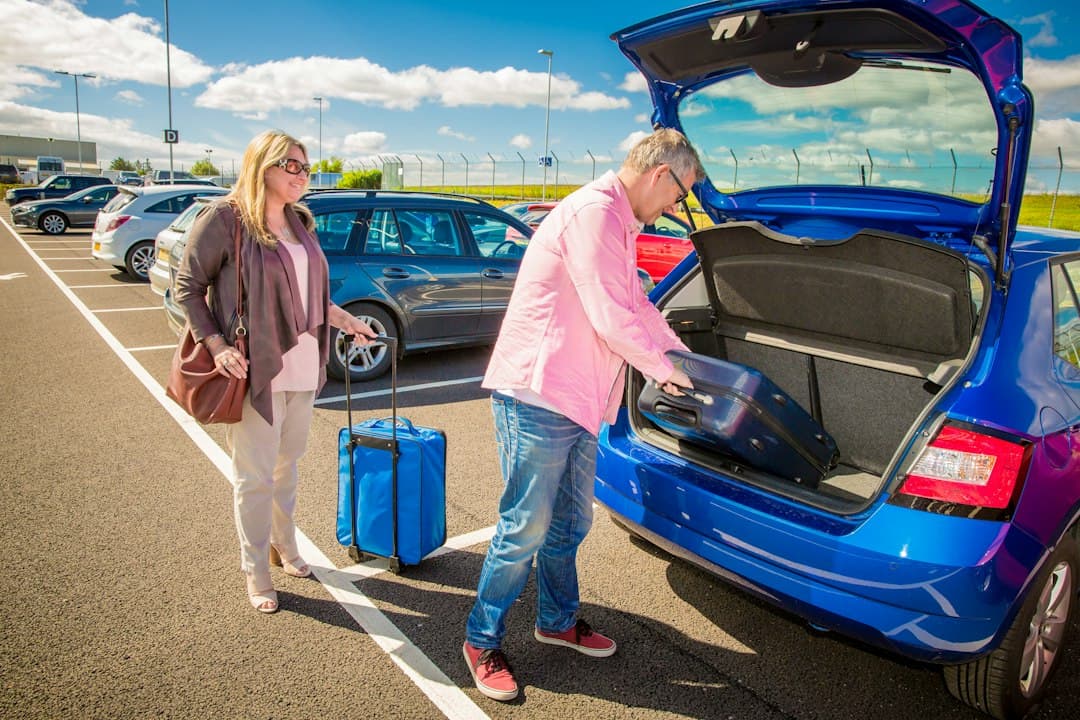
How Early to Arrive at YUL Airport: 2026 Timing Guide
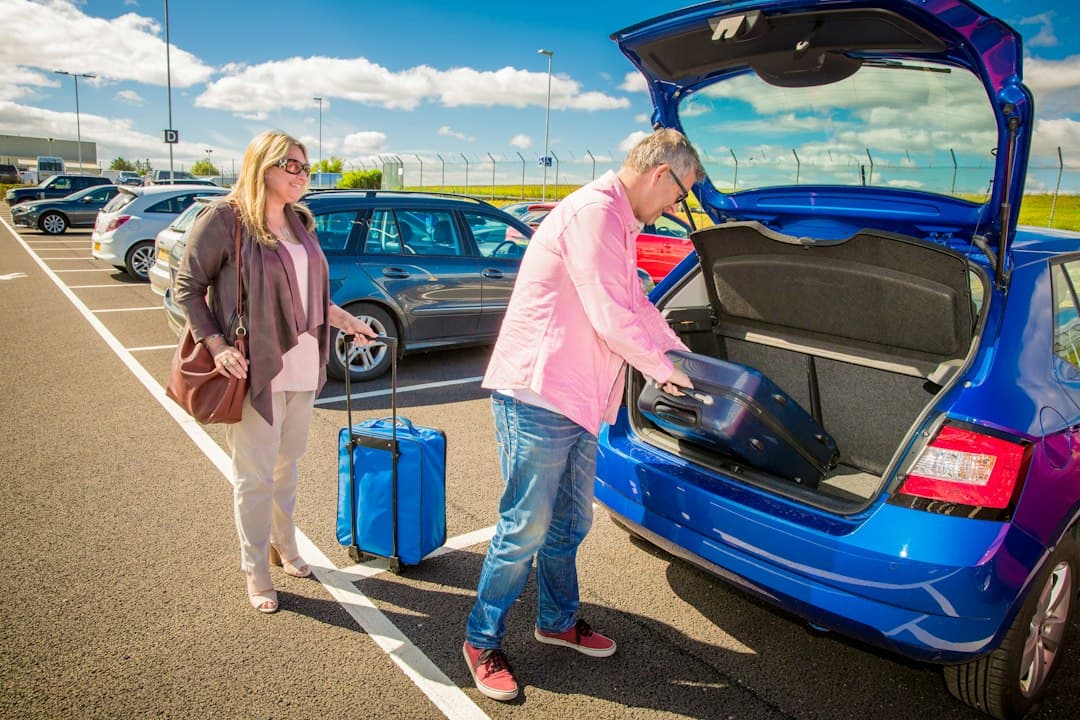
YUL Long-Term Parking 2026: Best Rates & Lots Compared
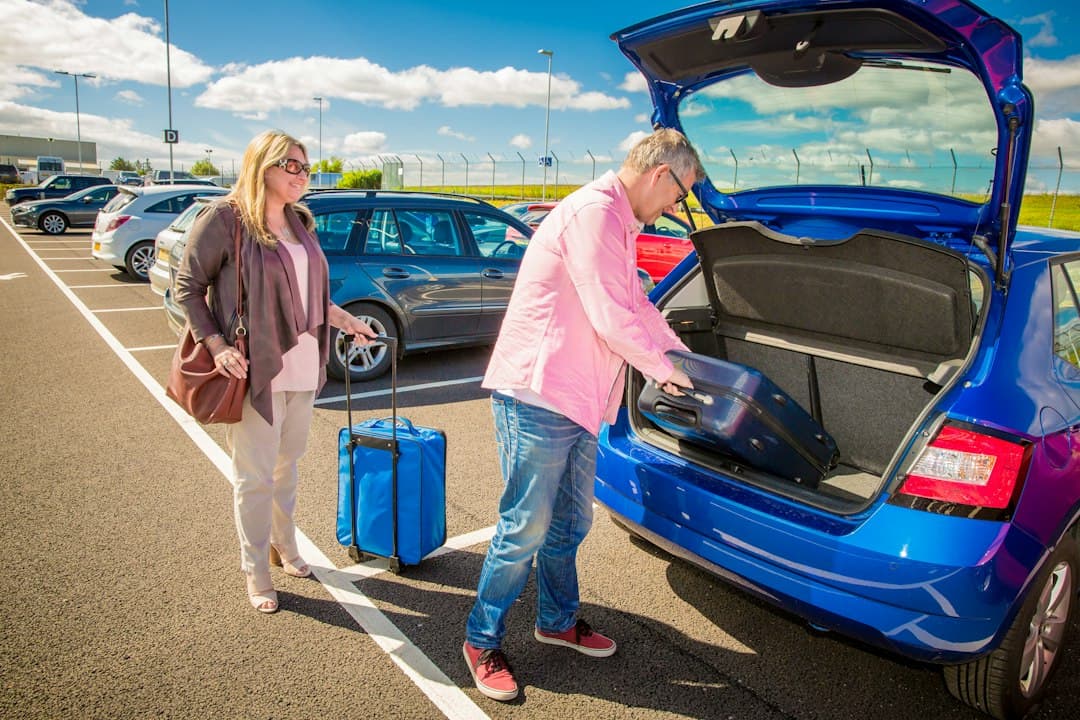
YUL Airport EV Charging: 2026 Guide for Electric Vehicle Drivers
Ready to book your YUL airport parking? Find Parking Now