Seattle Parking 30 Minute Load Zones: SEA Airport Guide 2026
Learn how the Seattle parking 30-minute load zone works at SEA airport — rules, enforcement, fines, and when to use the free Cell Phone Lot instead.
Back to Complete SEA Airport Parking Guide
A 30-minute load zone is a designated curb area where drivers may stop briefly to load or unload passengers and luggage — but must stay with their vehicle and leave within the posted time limit. At Seattle-Tacoma International Airport (SEA), these curb zones sit along the arrivals and departures levels of the terminal. They are free to use, but enforcement is active, and overstaying can result in a ticket or tow. If you are picking someone up at SEA, the load zone is one of three options — alongside the Cell Phone Lot and the on-airport parking garage — and choosing the wrong one can cost you time or money.
- Load zones at SEA are free but time-limited — drivers must remain with the vehicle at all times.
- The Cell Phone Lot is the smarter wait spot — it is free, south of the terminal off the Off Airport Expressway, and has no time limit while you wait.
- Rideshare vehicles (Uber, Lyft) use separate designated zones from personal vehicles at SEA airport.
- On-airport General Parking costs $5/hr (max $32/day) — useful if your wait will exceed 30 minutes.
- Off-site lots start at $12.95/day — a better option for travelers parking longer than a quick pickup.
- The SEA Gateway Project roadway improvements target 2026 completion — curb layouts may shift slightly during active construction phases.
What Is a 30-Minute Load Zone in Seattle and How Does It Work?
A load zone is a short-term curb space reserved for the active loading or unloading of people and goods. In Seattle, load zones are managed either by the Seattle Department of Transportation (SDOT) on city streets or by the Port of Seattle on airport property. The rules are similar in both settings: stop, load or unload, and leave — but the airport adds its own layer of active enforcement.
On city streets, SDOT marks load zones with white curbing or posted signs that specify hours of operation. Most downtown Seattle load zones are active 7 AM to 6 PM on weekdays, with some zones extending into evenings. Outside those hours, the space often reverts to general parking. At SEA airport, the curb zones are active 24 hours a day, 7 days a week — because flights arrive and depart around the clock.
The key rule in any Seattle load zone: the driver must remain with the vehicle. You cannot park and walk into a building. If a Port of Seattle officer or Seattle Police officer sees an unattended vehicle in a load zone, that vehicle is subject to a ticket or tow — regardless of how long it has been there. The 30-minute window is a maximum, not a guaranteed grace period.
Where Are the 30-Minute Load Zones at Sea-Tac Airport (SEA)?
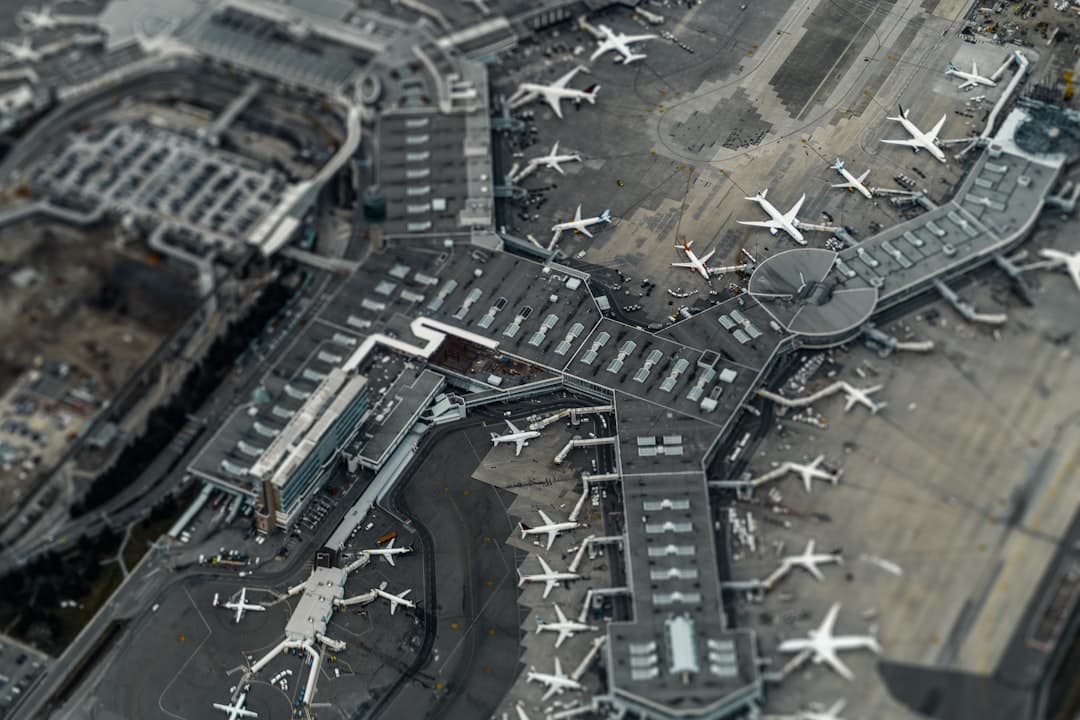
SEA has a two-level curb system. The upper level (departures) is for dropping off travelers. The lower level (arrivals) is where you pick people up. Both levels have marked load and unload zones, but their purpose and traffic flow are different.
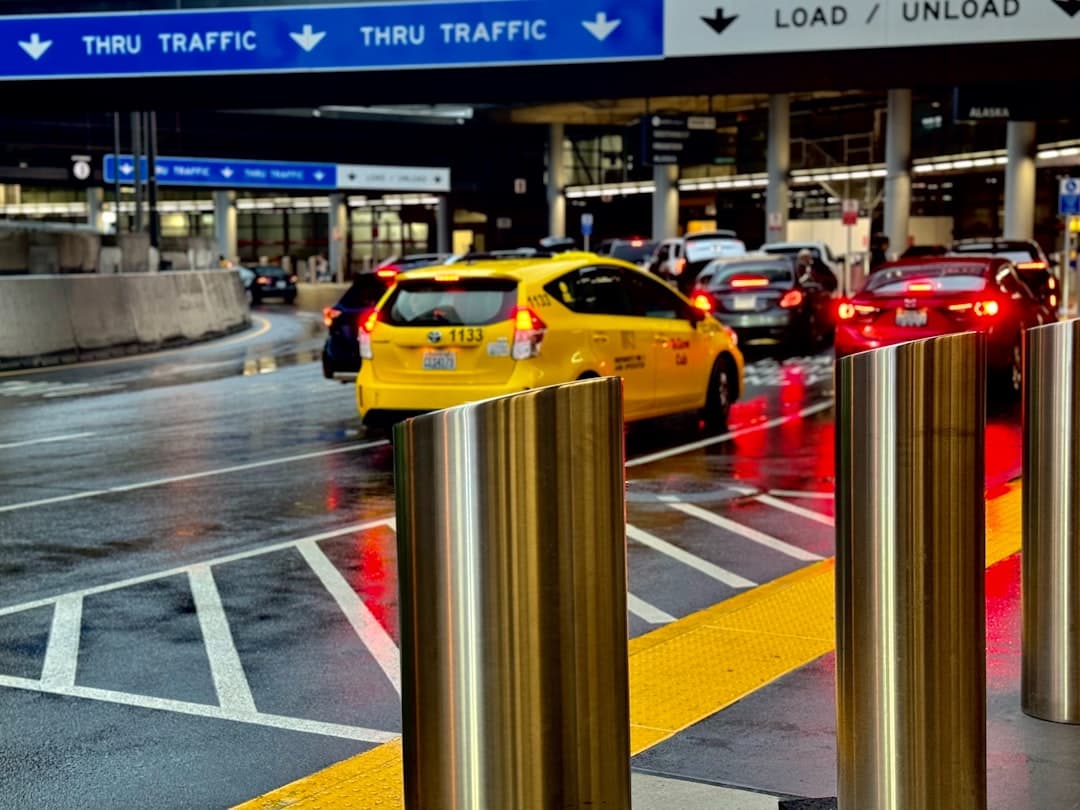
On the arrivals level, the curb is divided into zones by vehicle type. Personal vehicles use the marked passenger pickup lane. Commercial vehicles — taxis, shuttles, and hired cars — use separate commercial curb sections. Rideshare vehicles (Uber and Lyft) have their own designated pickup zones, which are separate from the general passenger lane. Mixing zones is a common mistake and a quick way to get flagged by a Port of Seattle officer.
The SEA Gateway Project, targeting completion in 2026, is improving terminal frontage and roadway flow. Some curb lane configurations may temporarily shift during active construction phases. Always follow the posted signs on your arrival — do not rely on outdated maps or older photos of the curb area. For a broader look at how the on-airport curb compares to garage parking, see our guide to Seattle Airport drop off parking rules, zones, and tips.
Off-site parking lot shuttles — from lots like Doug Fox Airport Parking, MasterPark, and WallyPark — do not use the passenger load zone. They operate from the 3rd floor Courtesy Vehicle area of the parking garage. This is an important distinction if you are comparing curb pickups to shuttle-assisted parking options.
How Long Can You Stay in a Seattle Load Zone Before Getting a Ticket?
The posted limit is 30 minutes in most Seattle load zones, including at the airport curb. In practice, Port of Seattle officers patrol the curb continuously — especially during peak arrival times. There is no formal grace period. Officers can ticket or initiate a tow the moment a violation is observed.
On city streets, SDOT parking enforcement typically focuses on vehicles that have been stationary longer than the posted limit. At SEA, enforcement is faster and more aggressive because curb congestion directly affects airport traffic flow. Travelers frequently report being asked to move within minutes of stopping if there is no active loading happening. The safest approach: pull up only when your passenger is at the curb and ready to load immediately.
If your flight is delayed or your passenger is still waiting for bags, do not wait at the curb. Use the Cell Phone Lot instead. It is free, has no time limit while you wait, and keeps the curb clear for drivers who are actively loading. We cover the lot's exact location and tips in our dedicated guide to the SEA Airport Cell Phone Lot.
What Are the Different Types of Load Zones in Seattle?
Seattle uses several types of curb zones, and mixing them up is a common — and costly — mistake. Here is how they break down, both on city streets and at SEA airport.
- Passenger Load Zone (White curb / white sign): For personal vehicles picking up or dropping off passengers. Driver must stay in vehicle. Typically 30-minute limit. Free. Active at SEA 24/7.
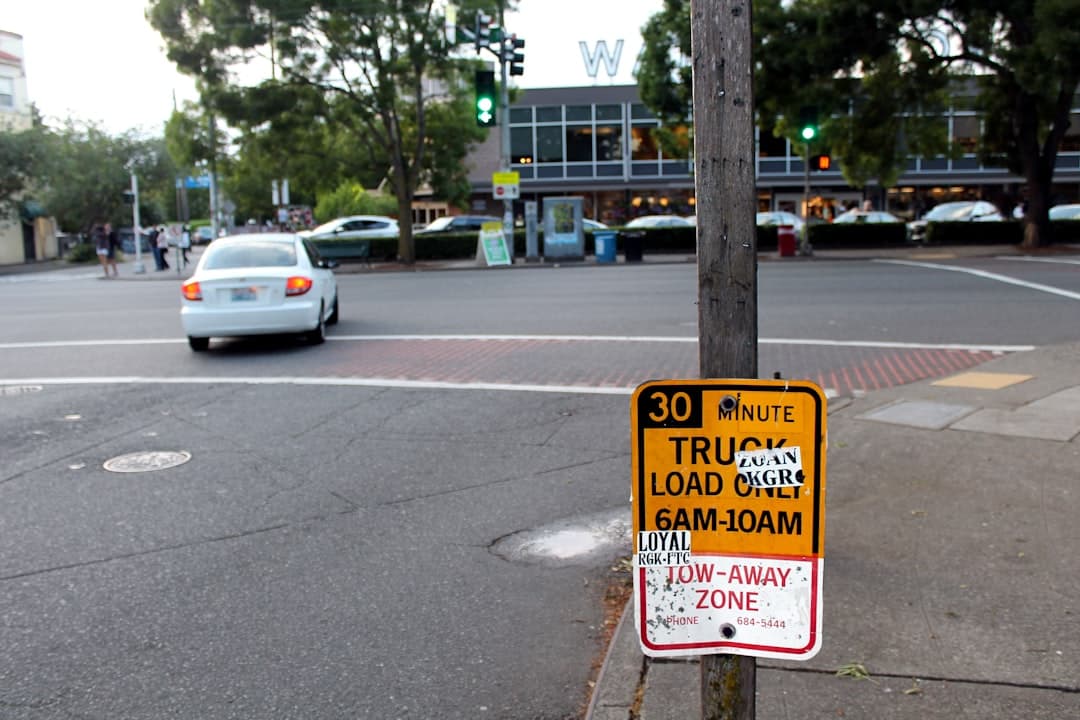
- Commercial Vehicle Load Zone (CVLZ — Yellow curb / yellow sign): Reserved for licensed commercial vehicles — trucks, vans, and delivery vehicles. Personal cars are not allowed in CVLZ spaces. On downtown Seattle streets, CVLZ spaces often require payment during peak hours via a pay station.
- Taxi / For-Hire Vehicle Zone: At SEA, licensed taxis stage in a separate area from rideshares and personal vehicles. They operate from a dedicated taxi staging area, not the general arrivals curb.
- Rideshare Zone (Uber / Lyft): Uber and Lyft have designated pickup zones at SEA that are separate from the personal vehicle lanes. More on this below.
- Accessible (ADA) Loading Zones: Reserved for vehicles with valid accessible parking placards or plates. These are closest to terminal entrances and are enforced strictly.
On downtown Seattle city streets, the SDOT manages load zones near major destinations like Pike Place Market and City Hall. These are separate from the airport entirely and have their own hours and payment rules. The airport curb zones are managed by the Port of Seattle — a distinct authority with its own enforcement staff and rules. Do not assume city street rules apply at SEA or vice versa.

Cell Phone Lot vs. 30-Minute Curb Zone: Which Is Better for Airport Pickups?
For most SEA airport pickups, the Cell Phone Lot is the better choice. Here is a direct comparison so you can decide quickly.
| Feature | Cell Phone Lot | Arrivals Curb (30-Min Zone) |
|---|---|---|
| Cost | Free | Free |
| Time Limit | No limit while waiting | 30 minutes maximum |
| Driver Required in Vehicle | Yes | Yes |
| Location | Off Airport Expressway, south of terminal | Arrivals level, terminal frontage |
| Best For | Waiting while passenger clears baggage claim | Immediate pickup (passenger already outside) |
| Enforcement Risk | Very low | High — officers patrol continuously |
| Congestion | Low | High during peak arrival windows |
The Cell Phone Lot at SEA is located off the Off Airport Expressway, south of the main terminal. It is free and available 24 hours a day. Wait there until your passenger texts you that they are outside with bags in hand. Then drive directly to the arrivals curb for a fast, clean pickup. This two-step approach is what experienced SEA greeters do. It avoids the stress of circling and eliminates any risk of a ticket.
If your passenger lands and walks straight to the curb — no checked bags, no delays — then pulling directly into the 30-minute load zone makes sense. The load zone exists for exactly that scenario. The problem is that most arrivals involve baggage claim waits, which can run 15 to 30 minutes after landing. That eats through your load zone window before your passenger even reaches the door.
Thinking about short-term parking as a third option? The on-airport garage charges $5 per hour (max $32/day, per Port of Seattle rates). For a 30-minute wait, that is around $5 — manageable if the Cell Phone Lot is full or you need to step out of the car. Compare all your Seattle Airport short-term parking rates and tips before deciding.
How Much Does It Cost to Overstay a Seattle Load Zone?
On Seattle city streets, overstaying a load zone typically results in a parking citation. SDOT fines for load zone violations are generally in the range of $47 to $124 depending on the specific violation and zone type — though exact fine amounts can vary and should be verified directly with SDOT or on the City of Seattle's parking citation page. Commercial Vehicle Load Zone violations on city streets can carry higher fines, particularly if a non-commercial vehicle is parked in a CVLZ space.
At SEA airport, the Port of Seattle manages curb enforcement. Overstaying or leaving an unattended vehicle in the load zone can result in a citation issued by Port of Seattle Police. In active cases, vehicles can be towed at the owner's expense — which adds towing and storage fees on top of any citation. The Port of Seattle does not publish a specific fine schedule for curb violations online, so the safest approach is simply not to overstay. For questions, contact the Port of Seattle directly through the Port of Seattle's SEA airport page.
The financial risk of overstaying is real, but the bigger problem at SEA is towing. If your car gets towed from the arrivals curb during a busy arrival window, recovering it takes time and money that far outweighs a few minutes of convenience. The Cell Phone Lot eliminates this risk entirely.
Rideshare vs. Personal Vehicle: Do Uber and Lyft Use the Same Load Zones at SEA?
No — Uber and Lyft vehicles use separate designated pickup zones from personal vehicles at Seattle-Tacoma International Airport. This is a common point of confusion that causes missed pickups and curb congestion.
Rideshare drivers at SEA are required to pick up passengers in the app-based rideshare staging area, which is separate from the general arrivals curb. The Port of Seattle manages rideshare operations under a permit system. Drivers who pick up in the wrong zone can be cited. Passengers need to walk to the correct pickup zone — which is clearly marked with rideshare signage on the arrivals level.
If you are being picked up by an Uber or Lyft driver, look for the rideshare signs on the lower arrivals level. Do not assume your driver will meet you at the general curb. The app will typically show your driver's location once they are in the staging area. For a full breakdown of where to meet your Uber driver at SEA, our guide to the Seattle Airport Uber pickup location covers every detail.
Personal vehicle pickups happen in a different lane, closer to the terminal doors. Taxis have a third separate zone. All three — personal, rideshare, and taxi — operate on the same arrivals level but in physically distinct sections. Signage is clear once you are on the road, but knowing in advance where to go saves confusion during busy arrivals windows.
The Port of Seattle's official rideshare page has current guidance on staging areas and driver requirements at SEA.
Short-Term Airport Parking vs. Load Zone: Which Should You Use?
The right choice depends on how long you expect to wait and whether you can stay in your vehicle. Here is a practical breakdown.
- Use the load zone if: Your passenger has no checked bags, is already outside the terminal, and the pickup will take under 5 minutes.
- Use the Cell Phone Lot if: Your passenger is still waiting for bags, has a delayed flight, or you are not sure of their exact arrival time. Free, no time limit.
- Use the on-airport garage ($5/hr) if: You need to park and walk into the terminal — for example, to help a senior traveler or someone with heavy luggage who cannot manage the curb alone.
- Use an off-site lot ($12.95–$18.95/day) if: You are parking your own vehicle for a trip, not picking someone up. Off-site lots include free 24/7 shuttle service and are significantly cheaper than on-airport for multi-day stays.
For context on what the garage costs across multiple days, our Seattle Airport parking rates guide breaks down every on-site and off-site option with current pricing. The on-airport General Parking rate caps at $32/day, while Reserved Parking on Floor 4 runs $39/day — both per current Port of Seattle rates (verified May 2026).
For travelers who want a faster security experience after parking and getting through the terminal, TSA PreCheck can significantly cut your wait at SEA's security checkpoints — worth considering alongside your parking plan.
One more factor: construction. The SEA Gateway Project is improving terminal frontage and roadway flow with a 2026 completion target. During active construction phases, some curb lanes may be temporarily reduced. Budget a few extra minutes during peak hours to navigate any temporary traffic patterns. Check real-time traffic on Waze before heading to the airport, especially if you are arriving during a busy arrival window.
Off-site lots remain fully operational and unaffected by terminal construction. Shuttles from lots like Doug Fox Airport Parking (closest, ~3 minutes away, $14.95/day) and MasterPark Lot A ($13.99/day) drop off at the 3rd floor Courtesy Vehicle area of the parking garage — away from the congested arrivals curb entirely.
Ready to Skip the Load Zone Stress at SEA?
The 30-minute load zone at Seattle-Tacoma International Airport is useful — but only in the right situation. For a fast curb pickup with a passenger already outside, it works perfectly. For anything involving a wait, the Cell Phone Lot is the smarter, risk-free choice. And for travelers parking their own vehicle, off-site lots near SEA start at just $12.95/day with free 24/7 shuttle service included — a fraction of on-airport rates.
Compare SEA parking rates — see every off-airport lot near Seattle-Tacoma International Airport, with free cancellation and a space confirmed before you drive.
Frequently Asked Questions
Looking for the complete guide?
Seattle Airport Parking: Complete Guide for 2026More SEA Parking Guides
Seattle Airport Parking Sold Out: What to Do in 2026
SeaTac Airport Parking Ticket: 2026 Complete Guide
SeaTac Airport Parking Lot Biggest: Size, Rates & Tips 2026
SeaTac Parking: $12.95/day Off-Site vs $35+ On-Airport
Seattle Airport Parking 1 Week: 2026 Rates & Best Deals
Seattle Airport Parking for 2 Weeks: 2026 Rates & Best Deals
Ready to Book Your SEA Airport Parking?
Compare prices from top-rated parking lots and save up to 70% on your next trip.
Find Parking Now